
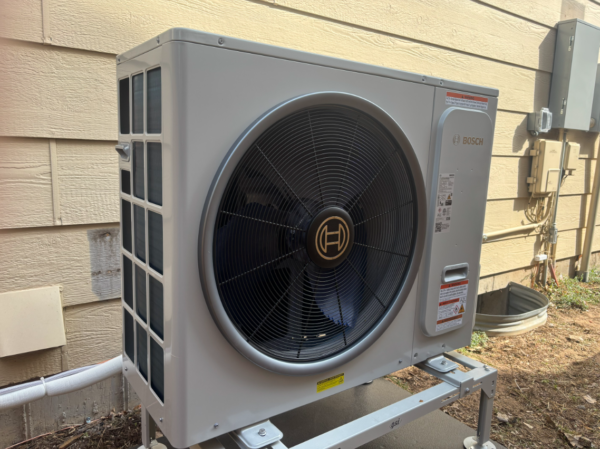
 If you’re replacing your HVAC system in Kaufman, there’s a good chance you’ll eventually face this question: Should I get a heat pump or a furnace?
There’s no universal winner. Both can be excellent choices, and the right answer depends on your home, existing equipment, available fuel source, comfort preferences and budget. Texas weather, however, makes this an especially interesting comparison.
What’s the Difference Between a Heat Pump and a Furnace?
The biggest difference is how the two systems create—or move—heat. A furnace generates heat. Depending on the system, it may burn natural gas or use electric resistance heating to warm air that’s then distributed throughout your home. A heat pump works differently. Rather than generating heat in the same way a furnace does, it transfers heat from one location to another. And here’s the important part for Texas homeowners:
A heat pump can both heat AND cool your home.
During summer, it operates much like a central air conditioner. During cooler weather, the process reverses and the equipment transfers heat into your home.
Why Do Heat Pumps Make Sense in Texas?
Heat pumps tend to be especially attractive in climates where winters are relatively moderate. North Texas certainly experiences freezing temperatures and occasional significant winter weather, but much of our heating season consists of comparatively mild temperatures.
Modern heat pump technology can continue operating in much colder weather than many homeowners realize, making heat pumps worth considering when replacing an aging HVAC system.
Advantages of a Heat Pump
Depending on your home and equipment, potential advantages include:
- Heating and cooling from one system
- Efficient operation during moderate winter temperatures
- No need to burn natural gas within the heat pump itself
- An excellent option for homes without natural gas service
- Potential energy savings compared with some electric heating systems
- New high-efficiency and variable-speed options
They’re not automatically the best answer for every house, but they’re definitely worth discussing in North Texas.
Why Would I Still Choose a Furnace?
Furnaces aren’t going anywhere.
Gas furnaces can provide powerful heating performance and are familiar technology for many homeowners. If your house already has natural gas service and an existing furnace/AC configuration, replacing equipment with a similar setup may also make practical sense.
Some homeowners simply prefer the hotter supply air and heating characteristics associated with a traditional furnace.
What About Those Really Cold Texas Nights?
This is one of the biggest questions homeowners have about heat pumps.
Modern heat pumps are considerably more capable in cold weather than older generations of equipment. Depending on the system and home, a heat pump may also be paired with supplemental or backup heating.
Another option is a dual-fuel system that combines a heat pump with a gas furnace. The heat pump handles conditions where it operates efficiently, while the system can switch to the furnace when appropriate.
That can provide Texas homeowners with an interesting combination of efficiency and cold-weather heating capability.
Heat Pump vs. Furnace: Questions to Ask
Rather than choosing based solely on the equipment name, consider your entire home.
Ask:
- Does my home currently have natural gas service?
- How old is my existing HVAC equipment?
- Am I replacing just the heating equipment or the entire HVAC system?
- How important is energy efficiency to me?
- How well insulated and sealed is my home?
- Does my existing ductwork perform properly?
- Do I prefer a traditional furnace’s heating characteristics?
- Would a dual-fuel system make sense?
- What size equipment does my home actually require?
That last question is especially important.
Bigger isn’t necessarily better when it comes to HVAC equipment. Proper sizing is critical for comfort, efficiency and equipment performance.
So Which Is Better in Kaufman: Heat Pump or Furnace?
The frustrating answer is also the correct one: it depends.
A heat pump can be an excellent match for North Texas because it provides efficient heating during much of our relatively mild heating season while also cooling the home during summer.
A furnace can also be an excellent choice, particularly in homes already equipped for natural gas or for homeowners who prefer traditional furnace heating.
And for some homes, a dual-fuel combination may offer the best of both worlds.
The important thing is matching the equipment to the house rather than simply choosing whatever system your neighbor installed.
Let Absolute Air Help You Compare Your Options
Absolute Air installs and services both furnaces and heat pumps throughout Kaufman County. Our team can evaluate your current equipment, home, comfort concerns and energy goals and explain which options make sense for you.
Heat Pump vs. Furnace FAQs
Can a heat pump really heat a house in Texas during winter?
Yes. Modern heat pumps are designed to provide heating during cold weather, and North Texas is a climate where heat pumps can be a very practical option.
Does a heat pump replace my air conditioner too?
Typically, yes. A central heat pump provides both cooling and heating by reversing the refrigeration cycle depending on the season.
Is a heat pump cheaper to run than a furnace?
It depends on equipment efficiency, energy prices, outdoor temperatures, your home’s characteristics and what type of furnace you’re comparing it with. There isn’t one answer for every household.
Can I have both a heat pump and a gas furnace?
Yes. That’s commonly called a dual-fuel or hybrid system. The system can use the heat pump under certain conditions and the furnace when appropriate.
How do I know what size heat pump or furnace I need?
Proper HVAC sizing should be based on the home’s heating and cooling requirements rather than simply replacing the old equipment with the same nominal size.
Thinking about replacing your HVAC system? Contact Absolute Air in Kaufman to compare heat pumps, furnaces and other high-efficiency heating and cooling options for your home.
